

Industrial Ventilation for Workshops and Factories
Good workshop ventilation protects your staff, your products and your machines.
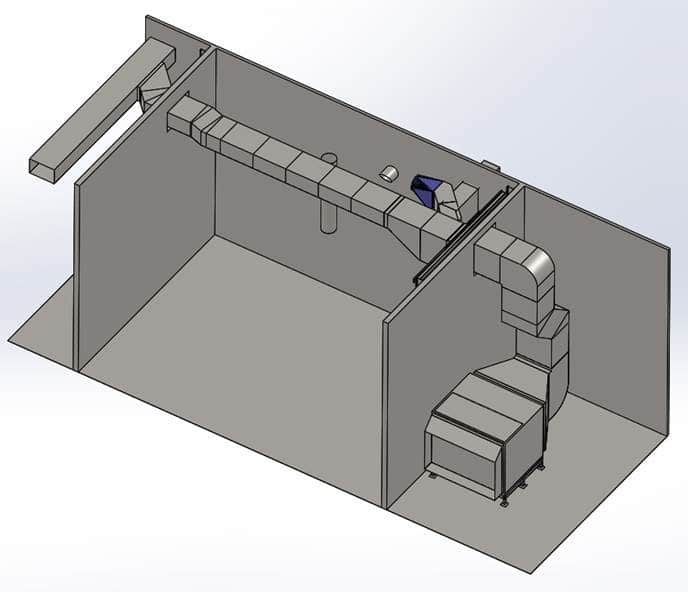
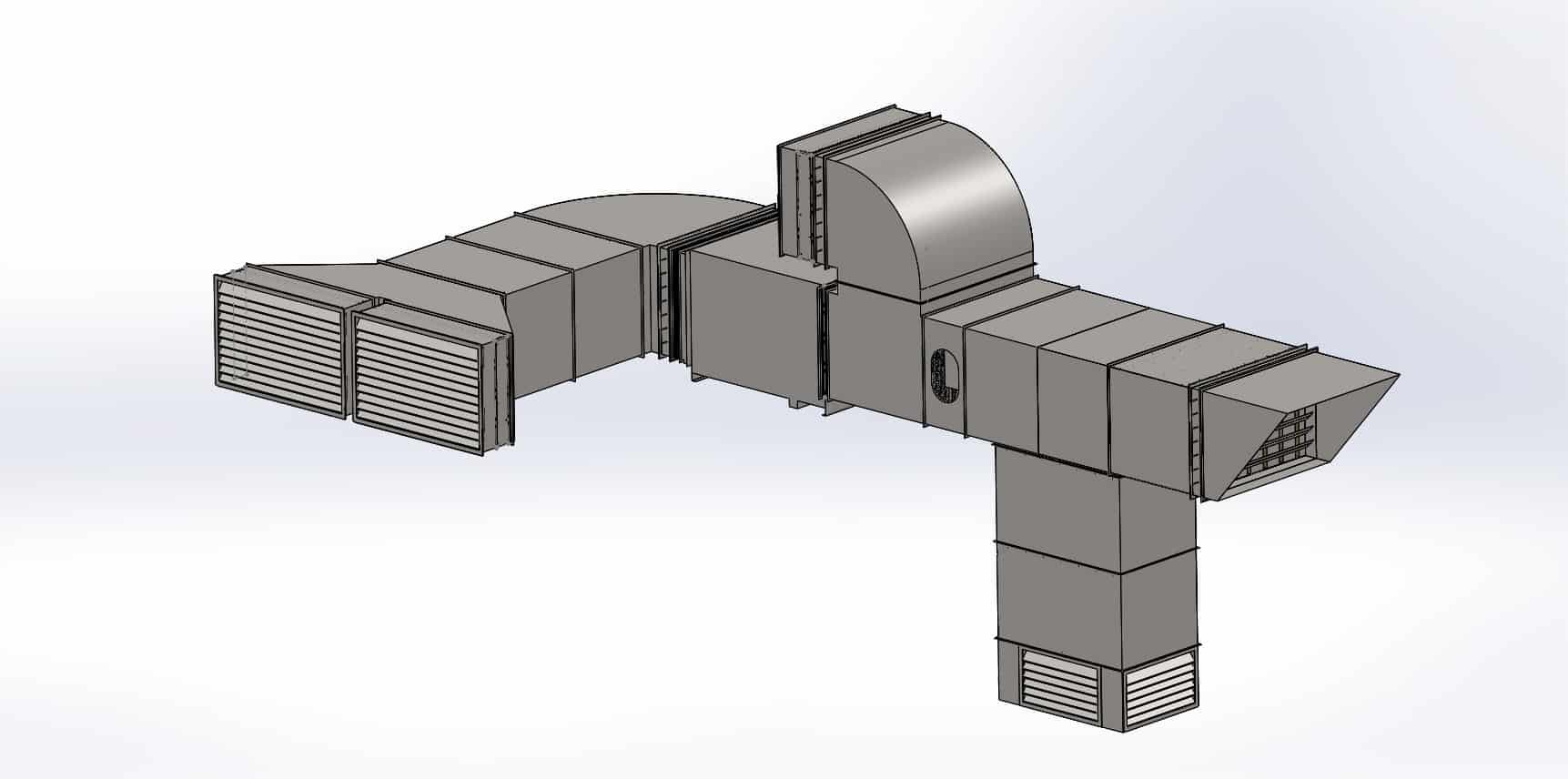
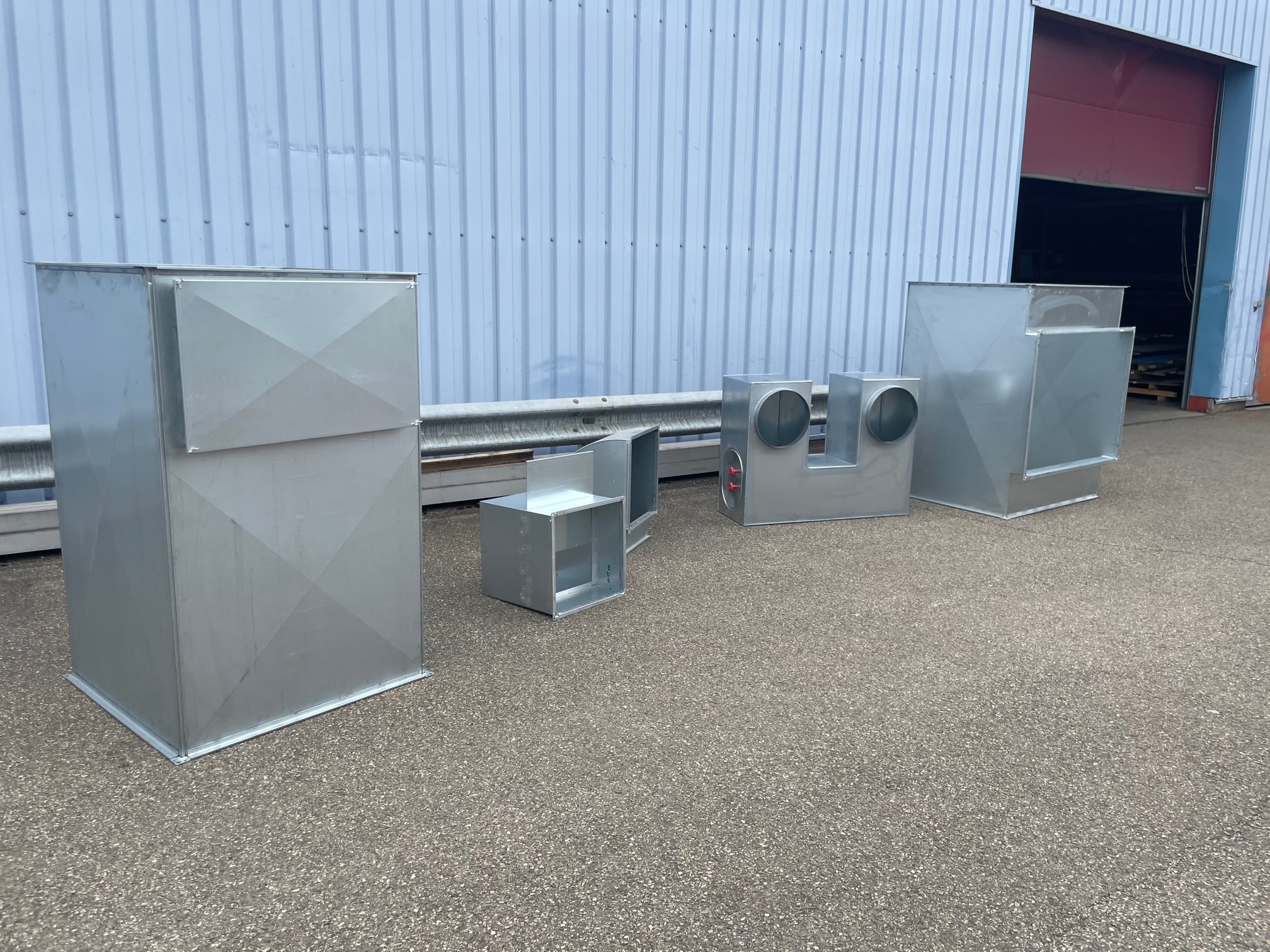
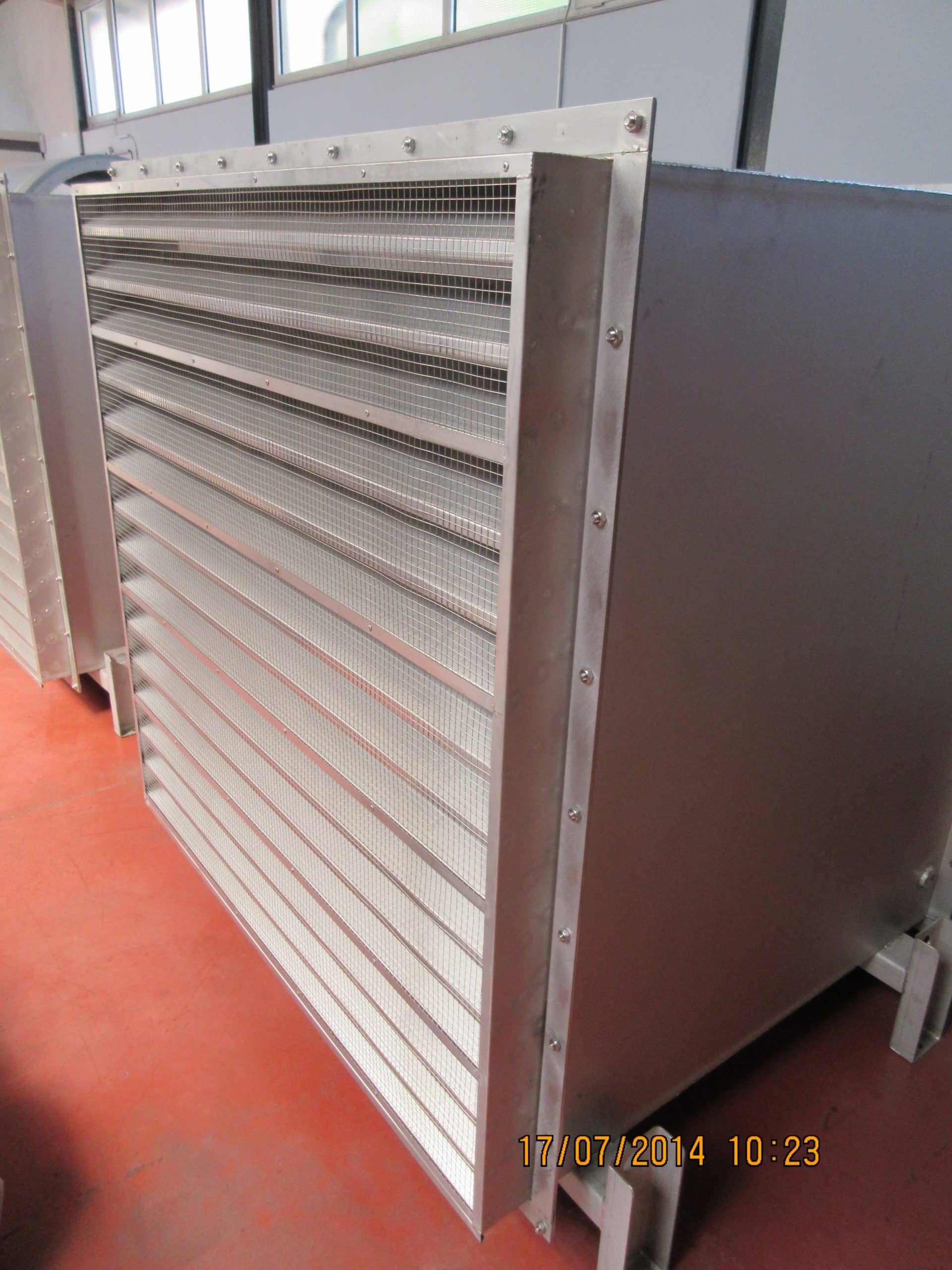
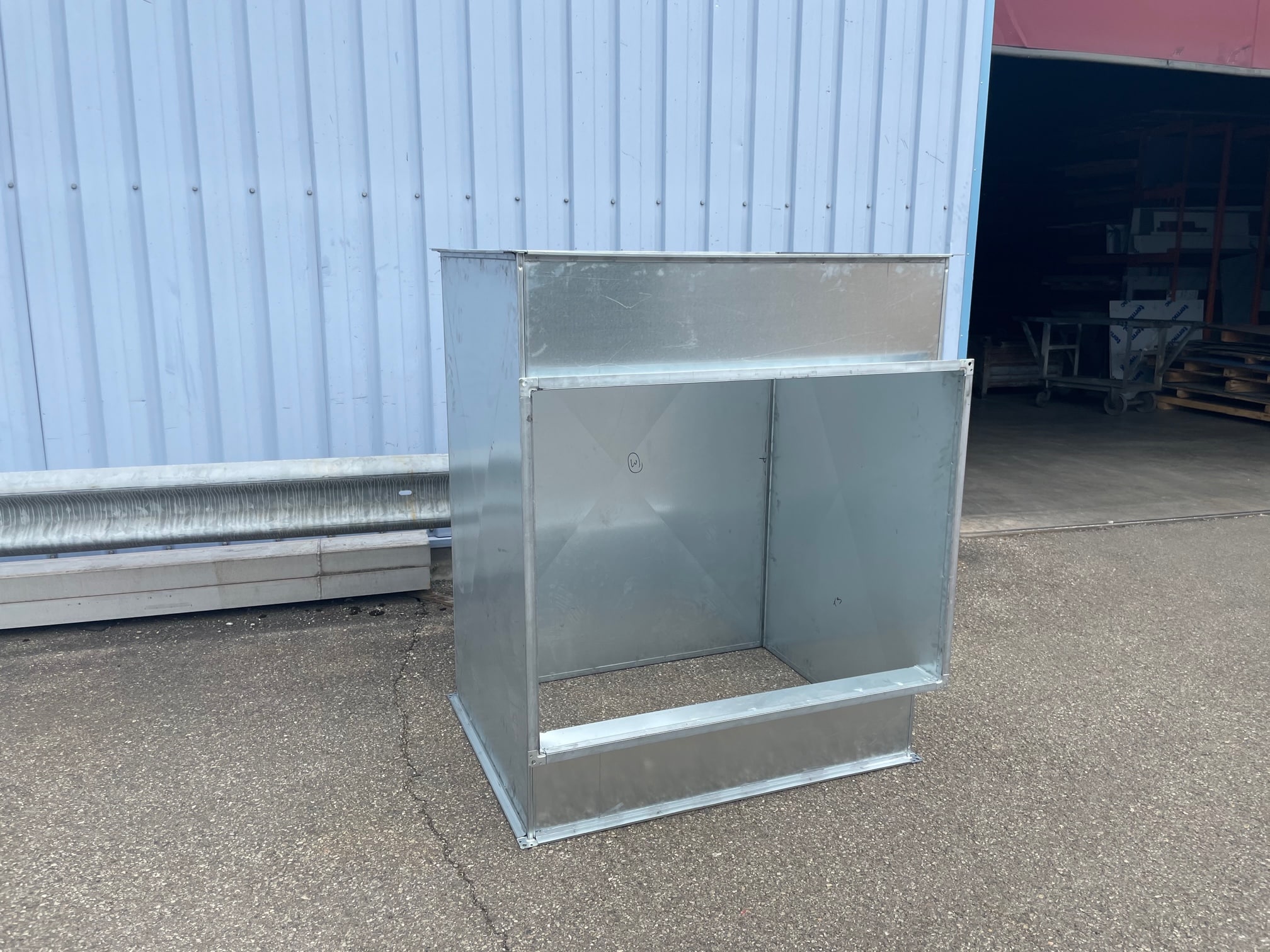
Industrial ventilation in a workshop or factory protects personnel health, production quality, and equipment. MECAVENT SA designs, manufactures, and installs complete systems: fume and pollutant extraction, fresh air supply with heat recovery, air renewal, and destratification, including fans, ducts, silencers, dampers, and heat exchangers.
Fume and Pollutant Extraction
Welding, cutting, grinding, process vapors, solvents: pollutants must be captured as close as possible to their source before they spread throughout the workshop. We design the capture systems (articulated arms, hoods, cabins), the extraction network, and the fan, and, if necessary, filtration with our industrial dust collectors. Our objective: to comply with applicable exposure limit values (Suva OELs in Switzerland, VLEP in France).
Fresh Air and Compensation Air with Heat Recovery
All extracted air must be replaced. Without compensation air, the building will be under negative pressure: doors will be difficult to open, cold air will enter, extraction will be less efficient, and boiler draft will be disturbed. We install fresh air units equipped with heat exchangers that recover heat from the extracted air to preheat the fresh air, significantly reducing heating costs.
General Ventilation, Positive and Negative Pressure
Air renewal is sized according to activity, number of personnel, and heat sources. Depending on requirements, a room is maintained under positive pressure (cleanroom, electrical room protected from dust) or negative pressure (polluted area, to prevent diffusion to the rest of the building).
Destratification and Cooling
In high-ceiling halls, hot air accumulates under the roof while workstations remain cold. Destratifiers and air circulators bring this heat down to ground level and reduce heating consumption. In summer, air circulators and night ventilation improve team comfort.
Complete and Silent Industrial Ventilation
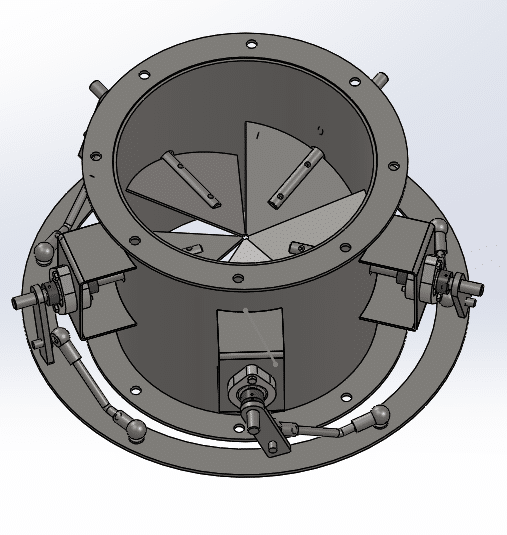
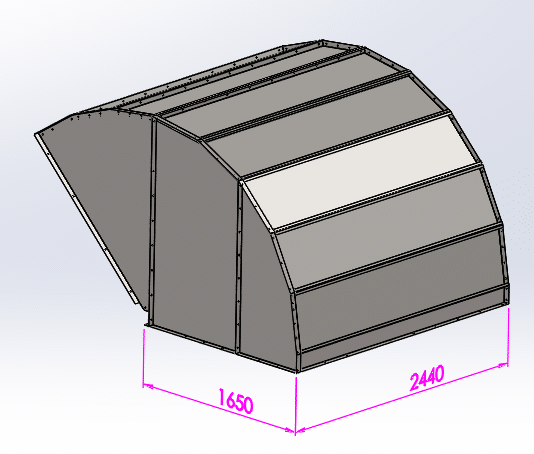
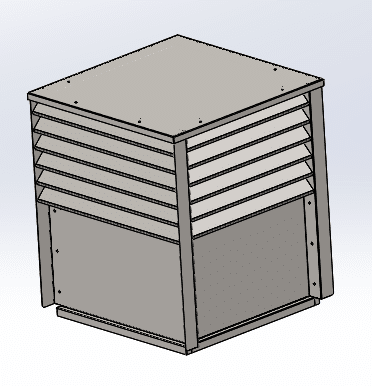
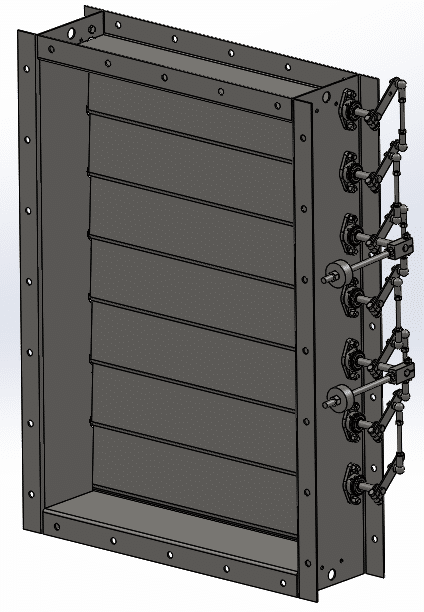
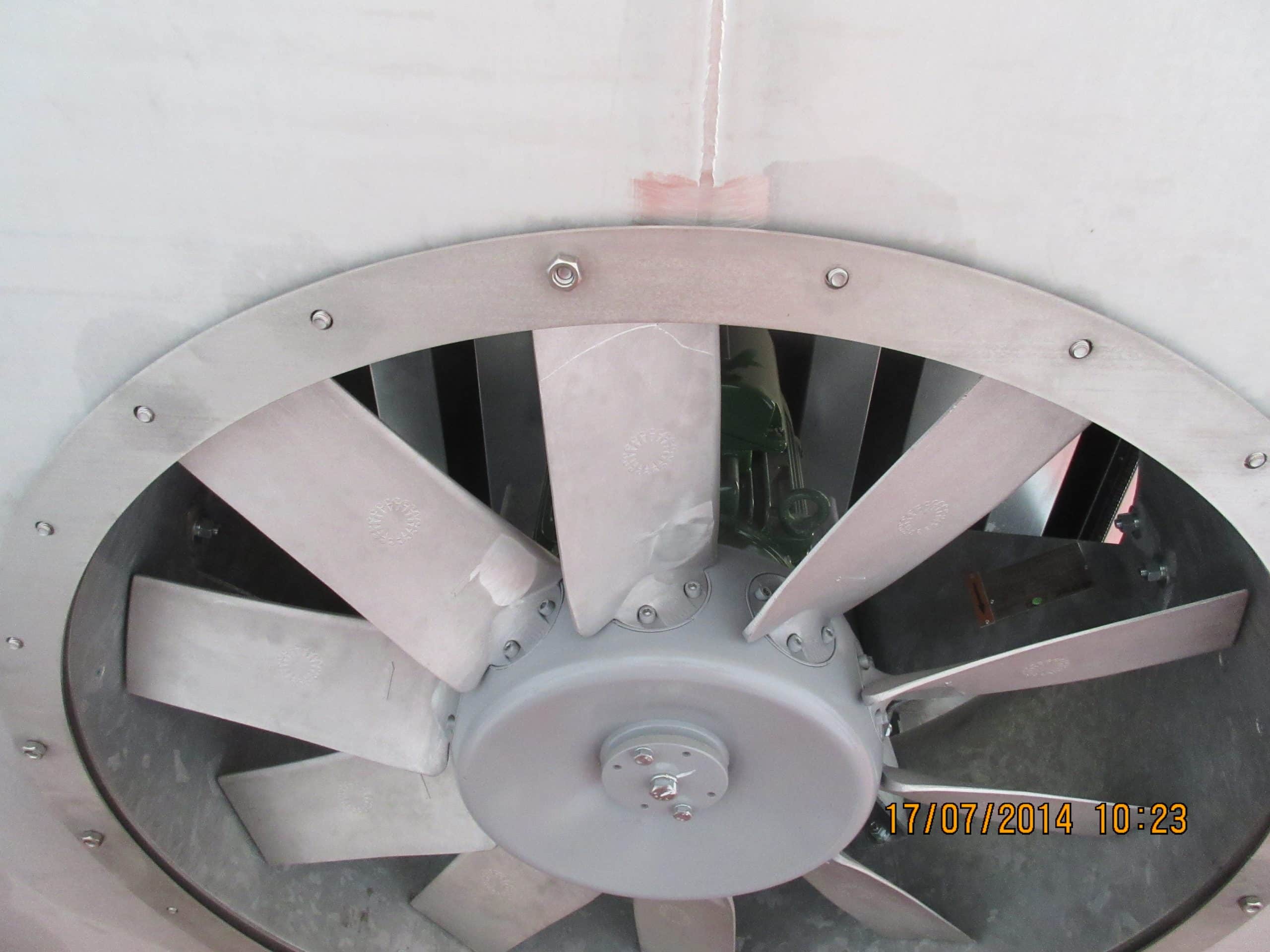
Fans, ducts, silencers, dampers, heat exchangers, and controls (temperature or CO2 sensors, frequency converters) are sized together. We also pay attention to noise, for both personnel and neighbors, thanks to our expertise in acoustic treatment. Our technicians ensure on-site assembly and commissioning.
Frequently Asked Questions
What information is needed to study workshop ventilation?
Building dimensions, activities and pollutants emitted, number of workstations, main heat sources, existing heating method, and noise constraints. An on-site visit allows us to complete this data.
Can heat be recovered from polluted air?
Yes. Separated circuit heat exchangers are then used, for example, a glycol-water coil: the extracted air and fresh air are never in contact.
Can you improve an existing installation?
Yes. We measure the flow rates, pressures, and noise of the existing installation, then propose improvements: fan replacement, addition of a variable frequency drive, heat recovery, or acoustic treatment.
Why entrust your industrial ventilation to MECAVENT?
With over 25 years of experience in aerodynamics and industrial acoustics, MECAVENT SA designs and manufactures its equipment in its workshops in Villeneuve (VD) and Sarralbe (Moselle). From study to commissioning, you have a single point of contact for your entire installation.
Workshop ventilation: clean air for people and processes
Welding fumes, oil mist, solvent vapours and heat build up quickly in industrial halls. Effective workshop ventilation captures these pollutants at the source, renews the air in the hall and keeps temperatures comfortable, while controlling energy consumption. MECAVENT designs each workshop ventilation system after a site survey of your processes, workstations and building.
Local extraction with hoods, arms or extracted benches removes pollutants before they spread. General ventilation then supplies fresh compensation air, ideally through heat recovery units that preheat incoming air in winter. In high halls, destratification fans bring warm air from the roof back down to working level and reduce heating costs.
Quiet and energy-efficient systems
Workshop ventilation must not become a new source of noise. We size fans for low speeds, add silencers and acoustic enclosures where needed, and use variable frequency drives so that airflow follows real demand. Measurements after commissioning confirm the airflow and noise levels.
Meeting workplace requirements
Our solutions help employers provide sufficient fresh air and healthy working conditions, in line with the principles of Directive 89/654/EEC on workplace requirements and local occupational health rules.